Customer Support Networks Driving Bonus Efficiency in Mobile Casino Systems Combining Sports and Table Play
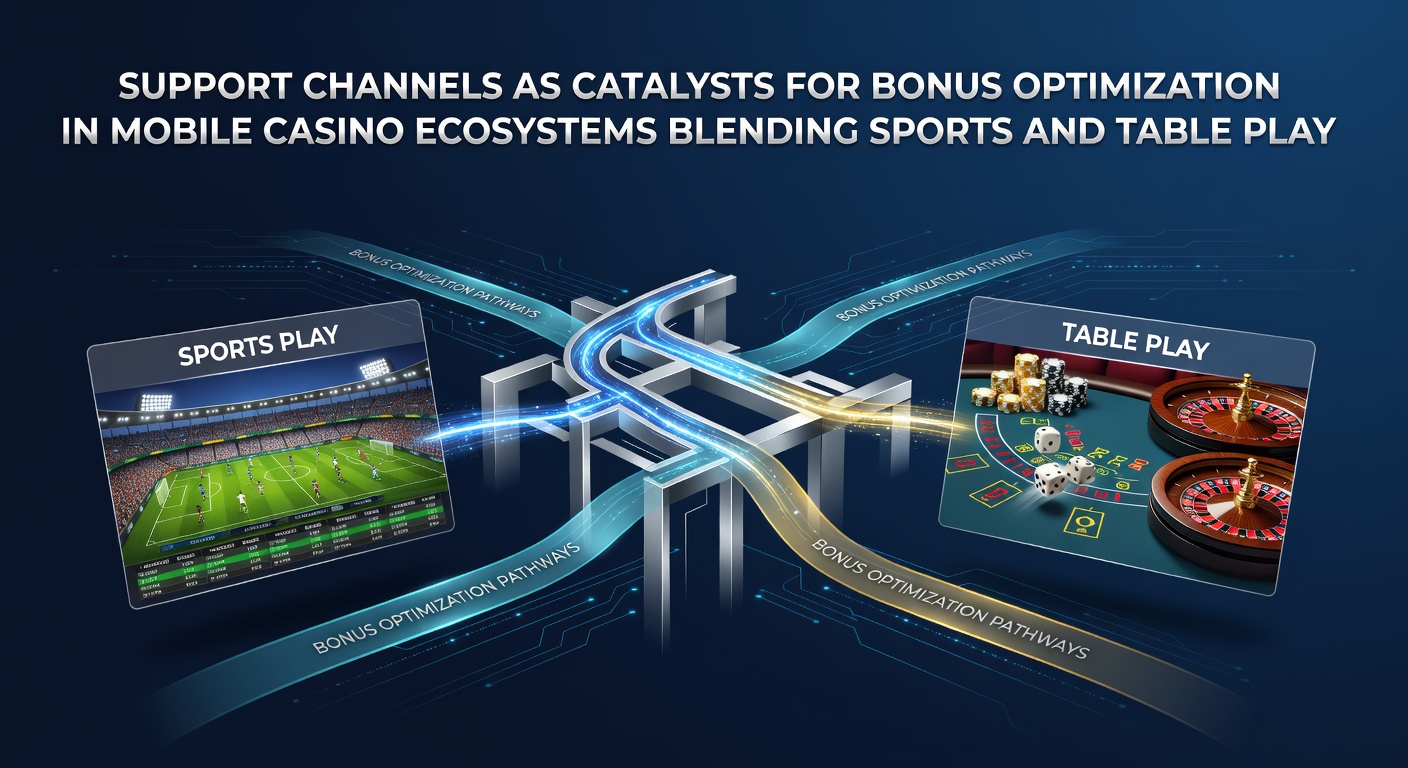
Support channels operate as key mechanisms that connect players with optimized bonus structures in mobile ecosystems where sports wagering merges with table games such as blackjack and roulette. These channels include live chat functions, email exchanges, and in-app messaging systems that handle queries about promotional terms, eligibility criteria, and redemption processes across portable devices. Data from regulatory filings indicate that platforms integrating these services see higher rates of bonus utilization when users receive direct guidance on combining sports event wagers with table play requirements.
Operators structure these support networks to address specific platform features. Players often encounter layered bonus programs that apply to both athletic event odds and card table sessions within the same application. Assistance teams clarify how deposit matches or free spin allocations extend across categories, which helps users meet wagering thresholds without separate tracking efforts. Research from academic studies on digital gaming patterns shows that prompt responses from support staff correlate with increased completion of multi-game bonus cycles.
Integration of Support Functions with Platform Mechanics
Mobile applications that blend sports betting with live table environments rely on support personnel to explain dynamic elements like real-time odds adjustments and dealer interaction protocols. Users contact these channels to verify how bonus funds apply during live table sessions or when placing bets on ongoing matches. The process involves agents confirming account status, reviewing transaction histories, and outlining steps to activate tiered rewards that span both activity types. Figures from industry reports reveal that such clarifications reduce instances of unclaimed incentives in combined ecosystems.
Observers note that support interactions frequently cover technical aspects such as app navigation for sports hubs and table interfaces. For example, one documented case involved players seeking confirmation on bonus rollover calculations when switching between a football wager and a virtual roulette round. Staff provided step-by-step breakdowns that aligned with platform algorithms, allowing seamless progression through reward levels. This type of assistance maintains continuity in mobile sessions where users alternate between categories without losing promotional value.
Regional Developments and Data Patterns in 2026
In May 2026, updates from North American gaming authorities highlighted expansions in mobile support capabilities amid growing hybrid platform adoption. These developments included enhanced encryption for chat sessions and automated routing to specialized agents familiar with sports-table crossover bonuses. Statistics compiled by state oversight bodies demonstrated measurable upticks in verified bonus redemptions following the rollout of 24-hour multilingual support options. Such measures addressed user needs in jurisdictions where sports wagering and table game regulations intersect within digital formats.
What's interesting is how these channels handle volume during peak events. Major athletic competitions coincide with table game promotions, leading to spikes in inquiries about combined bonus eligibility. Support teams manage these through scripted responses and escalation protocols that reference specific game rules. Evidence from platform analytics indicates faster resolution times contribute to sustained player engagement across blended mobile environments.
Operational Frameworks and User Pathways
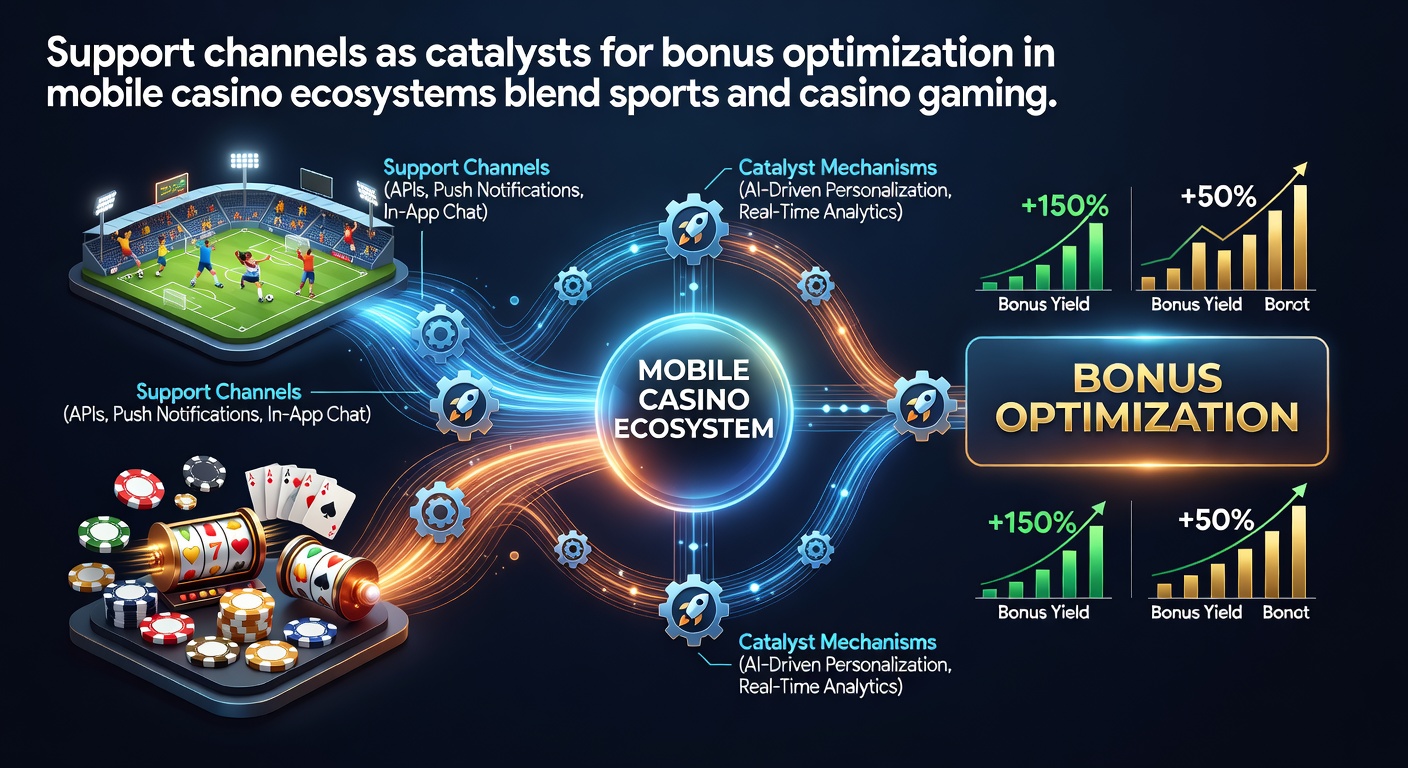
Support networks function through defined operational frameworks that prioritize accuracy in bonus guidance. Agents access centralized databases containing terms for sports accumulators and table game multipliers, which enables precise advice on optimization strategies. Players benefit when these interactions outline sequences for meeting playthrough conditions across both domains, such as allocating wagers to achieve higher loyalty tiers. According to data compiled by the New Jersey Division of Gaming Enforcement, integrated support reduces errors in bonus applications within regulated mobile offerings.
Turns out that case examples from platform operators illustrate recurring patterns. Users who initiate contact early in bonus cycles receive tailored recommendations that factor in current sports schedules and table availability. This approach supports efficient navigation of requirements like minimum odds thresholds or dealer hand minimums. Research conducted by university programs on interactive entertainment shows correlations between responsive assistance and broader adoption of hybrid gaming features.
Technical and Regulatory Influences
Regulatory frameworks in multiple regions shape how support channels deliver bonus-related information. Authorities require documentation of interactions to ensure compliance with fair play standards in mobile sports and table environments. Platforms implement logging systems that capture query types and resolutions, which aids audits and informs refinements to promotional structures. The iGaming Ontario oversight body has noted similar patterns in its annual summaries regarding support efficacy.
Technical integrations further enhance these processes. Artificial intelligence tools assist agents by suggesting relevant bonus clauses based on user history, while human oversight ensures context-specific adjustments for sports outcomes or table variances. This combination maintains reliability when handling complex scenarios that span multiple game categories on a single device.
Conclusion
Support channels continue to serve as foundational elements in mobile casino ecosystems that merge sports and table play through structured assistance and data-backed processes. Their role in clarifying and facilitating bonus pathways supports operational consistency across platforms. Ongoing adaptations in response to regulatory and technical shifts maintain these functions as central to user navigation in blended environments.