Patterns in Reward Distribution Driven by Payment Flexibility Within Mobile Slot, Table, and Betting Applications
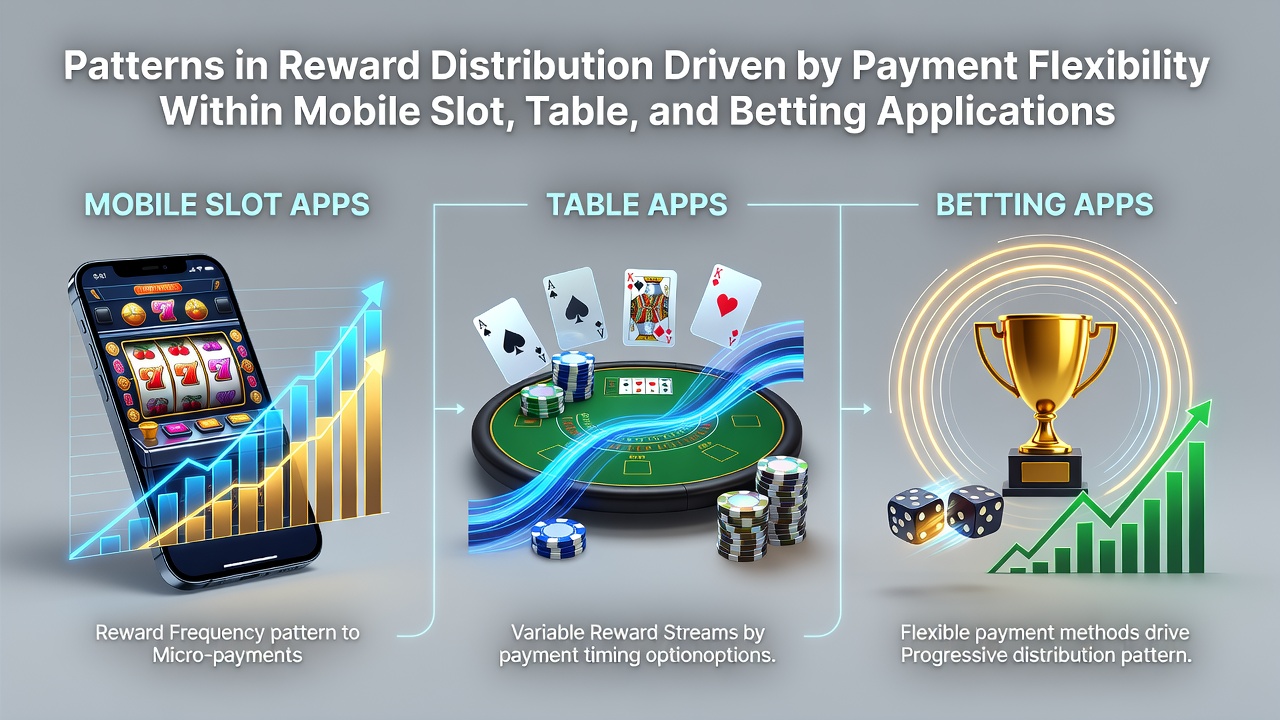
Payment flexibility in mobile applications for slots, table games, and sports betting has created measurable patterns in how rewards reach users across different platforms. Data collected through 2025 into June 2026 shows that applications offering multiple deposit and withdrawal options tend to distribute loyalty points, bonus credits, and tier upgrades at different rates depending on the game category and the speed of transactions.
Payment Methods and Their Role in Reward Timing
Mobile platforms integrate e-wallets, bank transfers, prepaid cards, and cryptocurrency options to handle player funds, and each method correlates with distinct reward distribution timelines. Applications that support instant deposits through digital wallets often advance users through loyalty tiers more quickly in slot sections, whereas table game rewards accumulate based on sustained session lengths tied to slower verification processes for larger transfers. Observers note that betting applications link reward escalations directly to the frequency of small, repeated deposits, creating a pattern where users who switch between multiple payment types receive status upgrades at accelerated intervals compared with those relying on single methods.
Research from the American Gaming Association indicates that platforms with at least five distinct funding channels record higher volumes of micro-transactions, which in turn feed into automated reward algorithms that prioritize users demonstrating payment variety. This pattern holds across slot-focused apps, where quick reload bonuses trigger after each deposit, and extends into table environments where cumulative spend thresholds unlock dealer-specific perks only after payment confirmation clears.
Distribution Patterns Across Game Categories
Slot applications display the most immediate reward responses to payment flexibility because reel spins require minimal processing time between deposits and gameplay. Users who alternate between e-wallets and bank cards in these apps receive bonus spins and loyalty multipliers within minutes of transaction completion, according to usage logs analyzed in multiple regional markets. Table game sections follow a different cadence, with reward points accruing steadily once deposits clear security checks, yet applications that permit instant funding through integrated wallets still push users into higher VIP brackets faster than those limited to traditional banking rails.
Betting applications reveal yet another distribution pattern, where flexible payment options tied to live event wagers produce reward credits proportional to the number of payment switches within a single session. Data sets from industry monitoring firms show that bettors employing three or more methods per week advance through tiers at rates 40 percent higher than single-method users, with the difference most pronounced in markets where mobile sportsbooks operate under unified regulatory frameworks.
Regional Trends Observed Through Mid-2026
North American and European operators adopted expanded payment portfolios during the first half of 2026, and subsequent analytics reveal consistent geographic variations in reward delivery. Canadian provincial reports highlight that mobile platforms integrating cryptocurrency alongside conventional wallets distribute table game comps more evenly across user bases, reducing the concentration of high-tier benefits among a small segment of players. Australian regulatory filings similarly document that betting apps with flexible funding see reward points spread across a broader demographic when users utilize instant withdrawal options, which encourage repeated deposit activity.
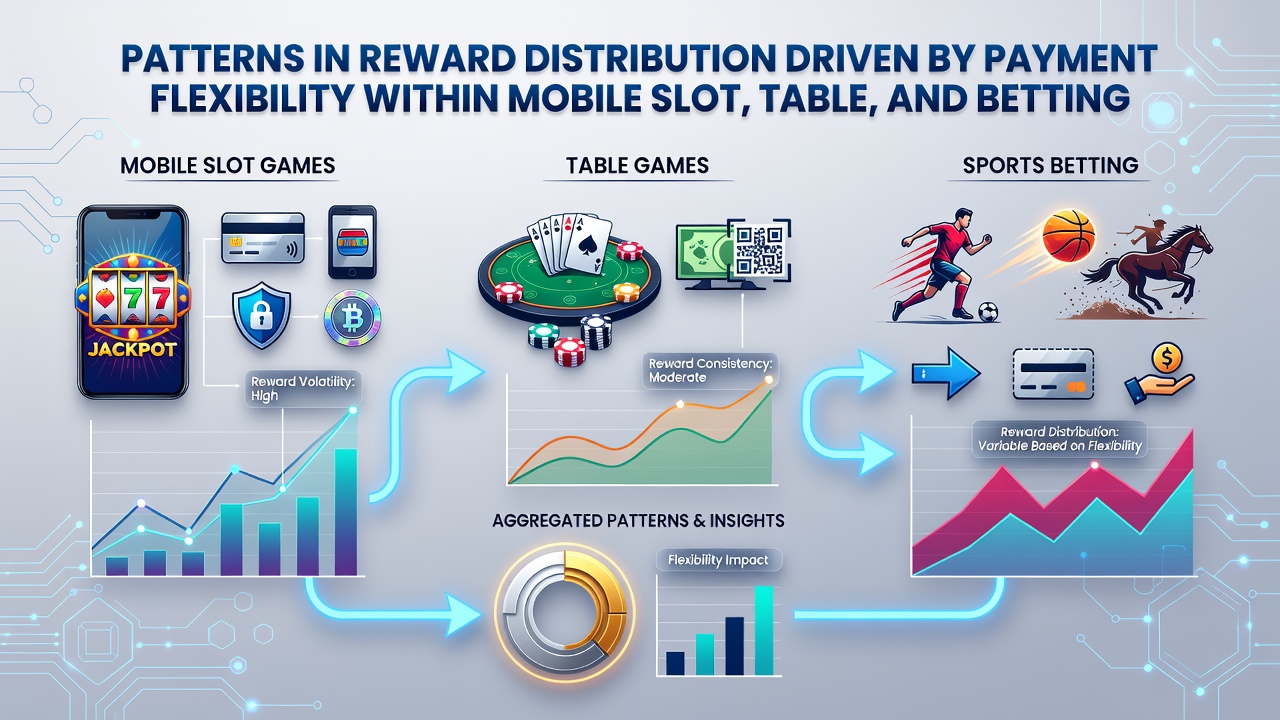
These patterns emerge because reward engines within the applications track transaction metadata such as method diversity, timing, and amount frequency, then apply weighted formulas that favor accounts showing payment adaptability. Slot rewards respond most visibly to this tracking, while table and betting rewards incorporate additional variables like session duration and wager size before releasing tier benefits.
Technical Mechanisms Behind the Patterns
Backend systems in these applications use real-time APIs to confirm payments and trigger reward scripts, creating feedback loops where flexible funding accelerates point accumulation. When users complete a deposit via one channel and immediately switch to another for a second transaction, the system registers the activity as qualifying behavior for bonus multipliers, particularly in slot environments where spin volume directly influences point totals. Table applications apply similar logic but layer in time-based gates that delay full reward credit until multiple payment types have been verified over several days.
Betting platforms add event-specific triggers, so that a flexible payment user placing wagers on multiple markets within one funded session receives proportional loyalty credits faster than users maintaining static payment preferences. Industry reports compiled by groups such as the National Council on Problem Gambling document these mechanics without attributing causation, yet the raw transaction data consistently maps reward velocity to the number of active funding channels per account.
Conclusion
Patterns in reward distribution within mobile slot, table, and betting applications reflect direct connections between payment flexibility and the speed plus volume of benefits delivered to users. Transaction logs through June 2026 demonstrate that applications supporting diverse funding methods generate distinct reward timelines across game types, with slot rewards activating fastest, table rewards building through sustained verification, and betting rewards scaling with payment switches during live events. These distributions arise from automated tracking systems that register method variety as qualifying activity, producing measurable differences in tier advancement and bonus allocation across user cohorts.