Regulatory Changes Redefining Assistance Mechanisms and Payment Routes for Faster Elite Status in Multifaceted Mobile Gaming Platforms
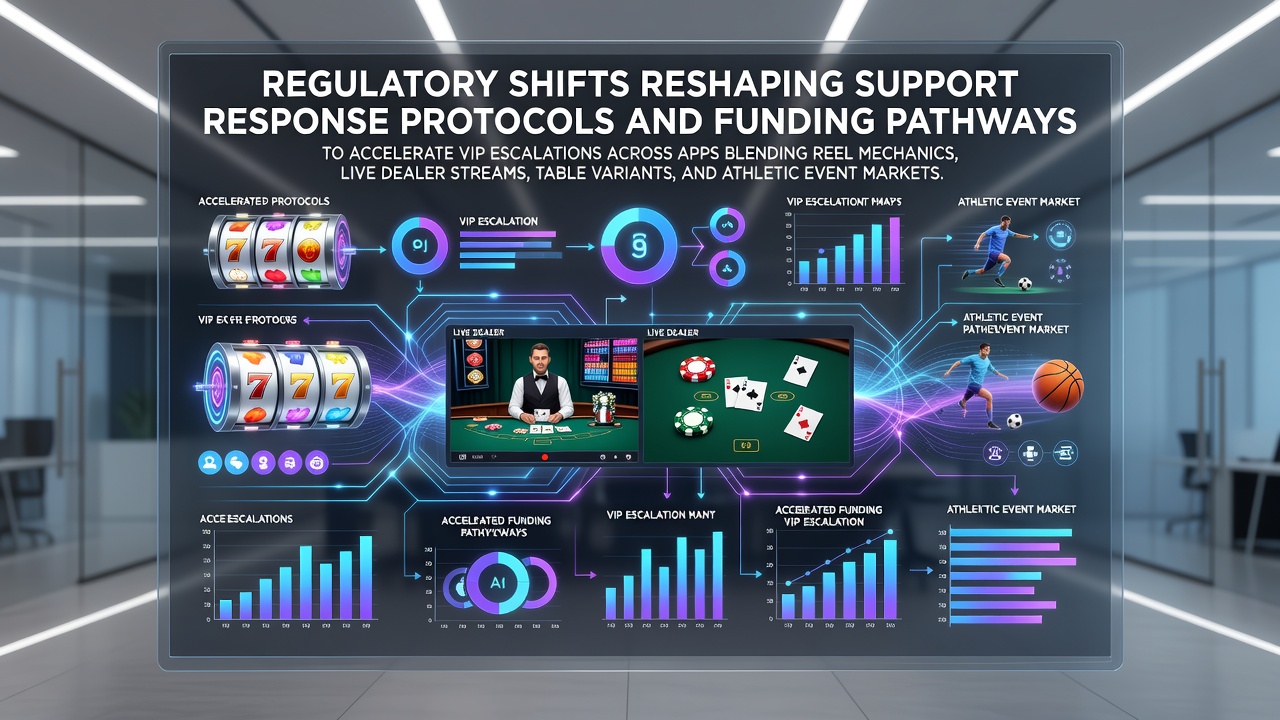
Regulatory frameworks across multiple jurisdictions have begun altering how digital gaming operators handle customer assistance and financial transactions in applications that combine reel-based games, live dealer broadcasts, table game options, and sports wagering markets. These adjustments focus on response timelines for support requests along with verification steps for deposits and withdrawals, which in turn influence how users advance through tiered membership levels. Data from industry monitoring groups shows that several regions implemented updated compliance requirements starting in early 2025, with additional provisions scheduled to take effect in July 2026.
Key Shifts in Oversight Standards
Jurisdictions in North America and parts of Europe have introduced stricter timelines for resolving player inquiries related to account verification and transaction processing. According to records maintained by state-level gaming authorities in the United States, operators must now acknowledge support tickets within specific windows and complete certain verification procedures within defined periods. These rules apply uniformly to platforms offering multiple game formats, requiring consistent protocols regardless of whether users engage with slot mechanics, streamed dealer sessions, variant table games, or event-based betting markets.
Similar adjustments appear in Canadian provincial frameworks, where regulators emphasize audit trails for funding movements that support loyalty progression. Observers note that these requirements create standardized pathways operators follow when elevating users to higher membership tiers after meeting activity thresholds.
Adjustments to Funding Verification Processes
Payment handling procedures have seen modifications that affect how quickly deposits register toward tier advancement. Several oversight bodies now mandate enhanced identity checks at multiple funding stages, yet they also permit streamlined options once initial verification completes. Research compiled by academic institutions studying digital commerce indicates that operators integrating instant transfer systems alongside traditional banking routes experience measurable differences in how rapidly users accumulate qualifying activity across blended game libraries.
Platforms must document each step in these sequences, creating records that support audits while maintaining user access to reward escalations. Figures released by European trade associations reveal that operators adopting dual-track verification, one for standard accounts and another for pre-cleared VIP candidates, report shorter intervals between deposit confirmation and tier updates.
Effects on Support Response Structures
Assistance teams operating within these integrated environments now follow revised escalation matrices that align with new regulatory expectations. When users encounter issues during live dealer interactions or while placing athletic event wagers, support protocols direct staff to prioritize cases that could delay tier progression. Training materials distributed by compliance consultants outline scenarios where funding delays intersect with game-specific queries, requiring coordinated responses across departments.
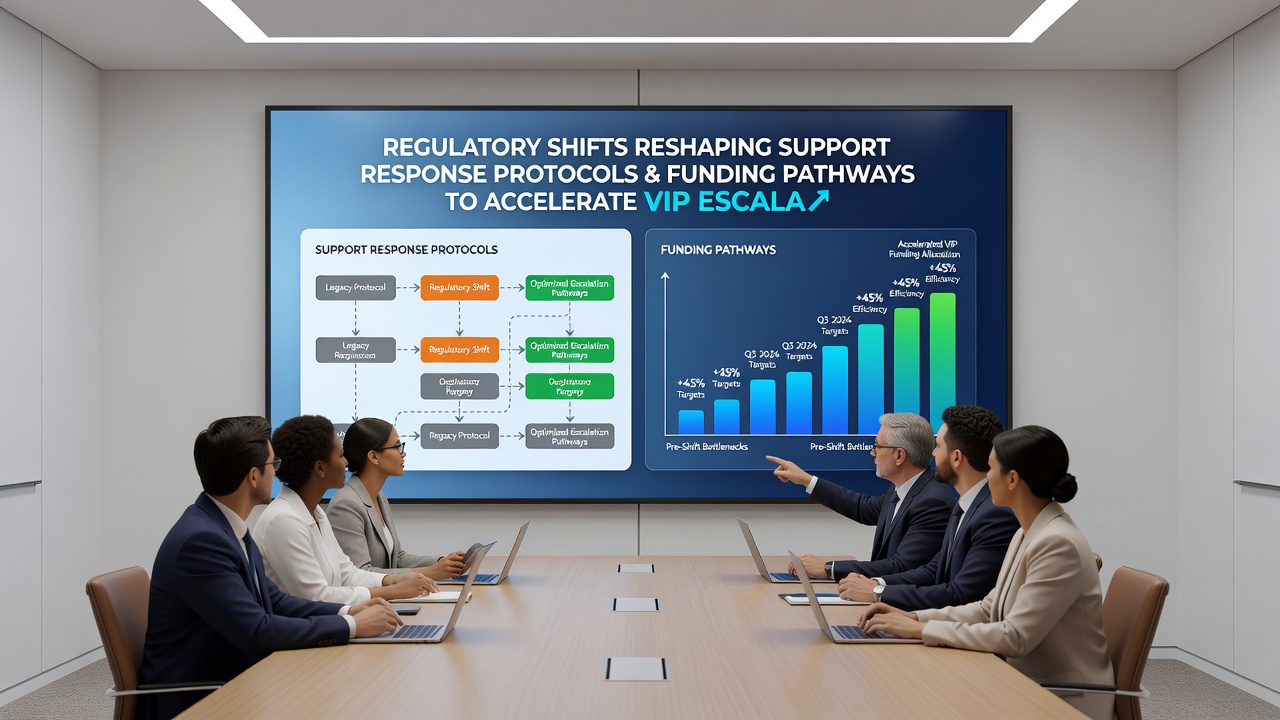
Operators have introduced specialized queues for high-activity accounts, ensuring that verification holds do not stall ongoing play across reel sequences, streamed tables, or sports markets. Records from provincial regulators in Canada document instances where such dedicated channels reduced average resolution times by measurable percentages during the first half of 2026.
Pathways Connecting Transactions to Tier Advancement
Funding routes now serve as direct inputs into membership evaluation systems. Once a deposit clears through approved channels, activity meters update automatically and feed into algorithms that calculate progress toward the next tier. This linkage applies across all game categories within a single application, so wagers placed on table variants or athletic events contribute alongside reel spins and live sessions.
Industry reports from Australian regulatory sources highlight that platforms incorporating multiple payment rails, including digital wallets and bank transfers, provide users with greater flexibility in meeting deposit frequency requirements tied to elite status. These systems log each transaction with timestamps that feed compliance dashboards, allowing operators to demonstrate adherence while accelerating reward distributions.
Implementation Patterns Observed in July 2026
Additional compliance layers scheduled for July 2026 require operators to submit quarterly summaries detailing support resolution rates and funding verification intervals for accounts in active tier progression. These submissions cover all game formats within unified apps, creating comprehensive datasets that regulators use to assess operational consistency. Organizations tracking global gaming trends report that several major platforms began pilot programs in late 2025 to prepare systems for the upcoming reporting obligations.
Technical adjustments include API connections between payment processors and loyalty engines, ensuring that cleared funds immediately increment qualifying metrics. Such integrations reduce manual interventions that previously slowed advancement for users active across multiple game types.
Conclusion
Regulatory developments continue to shape operational requirements for support handling and transaction processing within applications that merge diverse gaming formats. These changes establish clearer timelines and documentation standards that influence how quickly users reach elevated membership levels. Data maintained by various oversight entities shows measurable adjustments in processing intervals as operators align their systems with updated expectations. The provisions taking effect in July 2026 extend these patterns by adding structured reporting on performance across all integrated features.