Tracing Secure Transaction Pathways That Streamline Loyalty Benefits Across Portable Live Gaming and Wagering Ecosystems
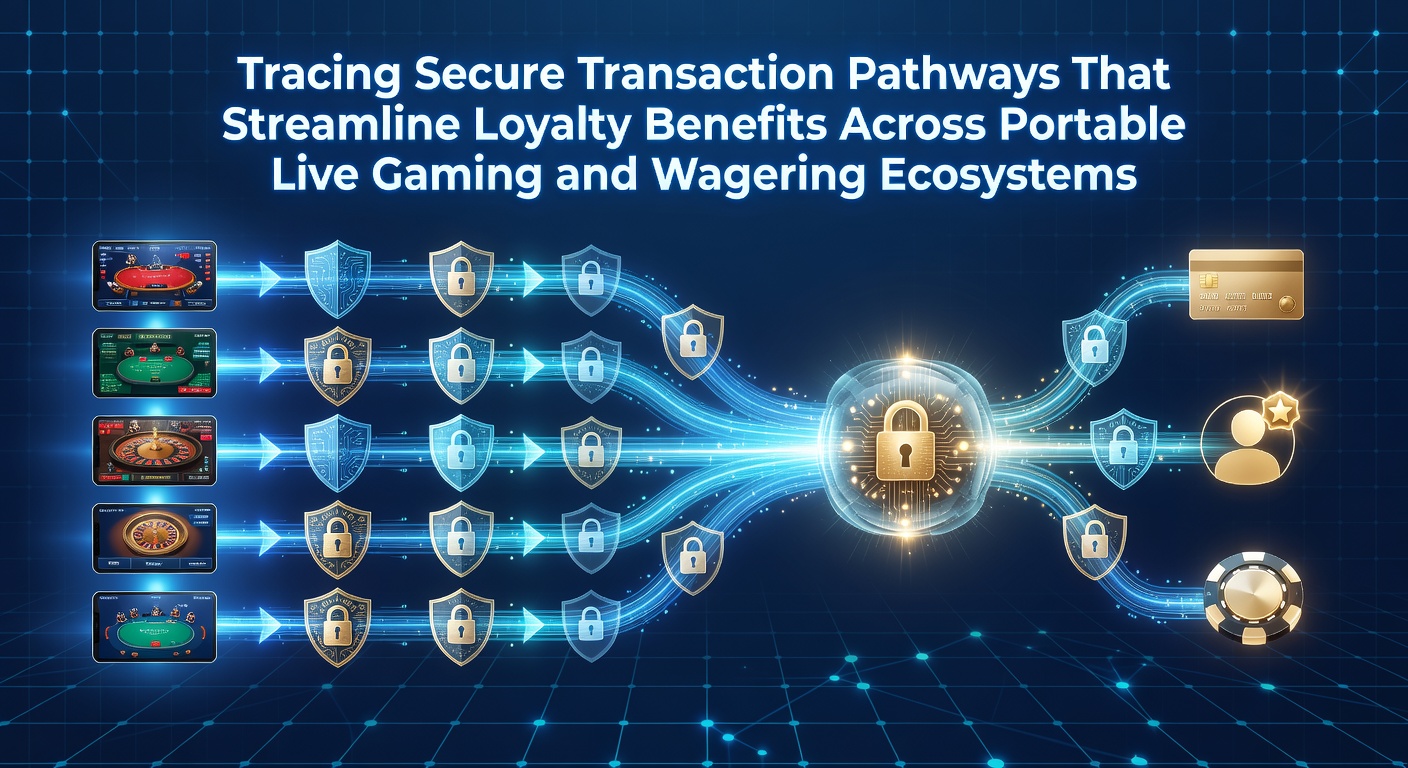
Secure transaction pathways have become central to how loyalty benefits flow through portable live gaming and wagering ecosystems, where real-time processing meets strict compliance standards. These pathways rely on layered encryption, tokenization and blockchain verification to move funds and reward points without exposing user data during live dealer sessions or in-play sports bets. As platforms expand mobile access, the ability to trace every step from deposit to reward redemption helps operators maintain audit trails while players receive instant tier upgrades or bonus credits.
Core Technologies Behind Secure Pathways
Encryption protocols form the foundation, yet tokenization takes center stage by replacing sensitive account details with unique identifiers that expire after each session. Researchers at institutions studying digital finance note that this approach cuts fraud attempts significantly because intercepted tokens hold no reusable value. When combined with distributed ledger records, each loyalty point transfer gains an immutable timestamp that regulators can review on demand.
Portable devices introduce additional variables such as variable network strength and background app activity, so developers integrate adaptive routing that switches between secure channels without interrupting a live roulette spin or a bet placed mid-match. Data from industry reports shows these adjustments keep transaction success rates above 99 percent even during peak hours.
Loyalty Benefits in Live Gaming Contexts
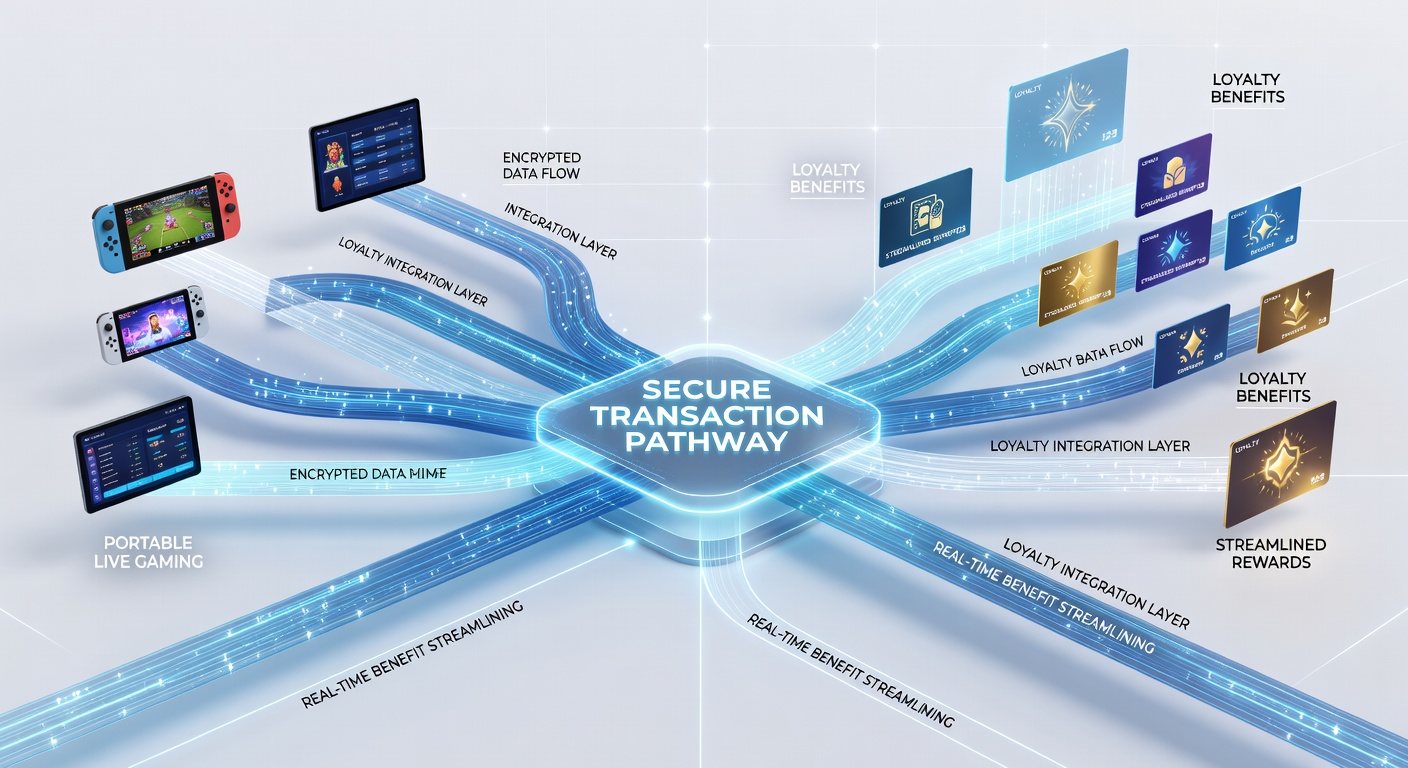
Live gaming environments demand faster reward recognition than traditional slot play because players often switch between tables and betting markets within minutes. Secure pathways allow loyalty engines to pull real-time activity feeds, calculate qualifying wagers and apply tier multipliers before the next round begins. Observers note that this seamless credit application encourages continued participation across both table games and sports wagering on the same mobile session.
By May 2026 several major operators had completed phased rollouts of unified loyalty ledgers that connect land-based casino visits with portable play. These systems use geofenced verification to confirm location while still honoring accumulated points, creating a continuous benefits loop regardless of device or venue.
Regulatory and Compliance Considerations
Authorities in multiple jurisdictions require detailed logs of every loyalty adjustment tied to a financial transaction. The National Indian Gaming Commission publishes guidance that emphasizes end-to-end traceability for tribal gaming operations moving into mobile markets. Similar expectations appear in Canadian provincial frameworks, where operators must demonstrate that reward redemptions cannot bypass responsible gaming controls.
Academic studies on payment security highlight how multi-factor authentication layered onto transaction pathways reduces chargeback rates while preserving the speed needed for live betting. These findings encourage platforms to adopt standardized APIs that share verified player status across different wagering verticals without duplicating sensitive records.
Practical Implementation Examples
One documented rollout involved a North American operator integrating loyalty synchronization between its sports book and live dealer studio. The pathway first validates the deposit, then tags the transaction with a loyalty identifier that follows the funds through every bet placed. When a player reaches a new tier mid-session, the system issues an instant notification and applies enhanced odds or table limits without requiring a separate login or app switch.
Another case centered on cross-device continuity. Players who began a session on a tablet could finish on a phone, with all accrued benefits preserved because the secure pathway maintained a persistent session token anchored to the loyalty ledger. Reports from the Responsible Gambling Council indicate that such continuity features help reduce player frustration while supporting regulatory goals around transparent reward distribution.
Future Developments in Transaction Tracing
Emerging standards focus on zero-knowledge proofs that let platforms confirm loyalty eligibility without revealing full transaction histories. Early tests suggest these methods could further shrink data exposure while still satisfying audit requirements from multiple oversight bodies. As portable hardware improves biometric options, transaction pathways may soon incorporate on-device verification that adds another layer of speed and security to live gaming rewards.
Conclusion
Tracing secure transaction pathways continues to shape how loyalty benefits operate across portable live gaming and wagering ecosystems. Through coordinated use of encryption, tokenization and real-time ledgers, operators deliver faster reward recognition while meeting regulatory demands for transparency. As May 2026 approaches, further refinements in adaptive routing and cross-device continuity are expected to strengthen these connections, ensuring players experience consistent benefits regardless of where or how they choose to play.